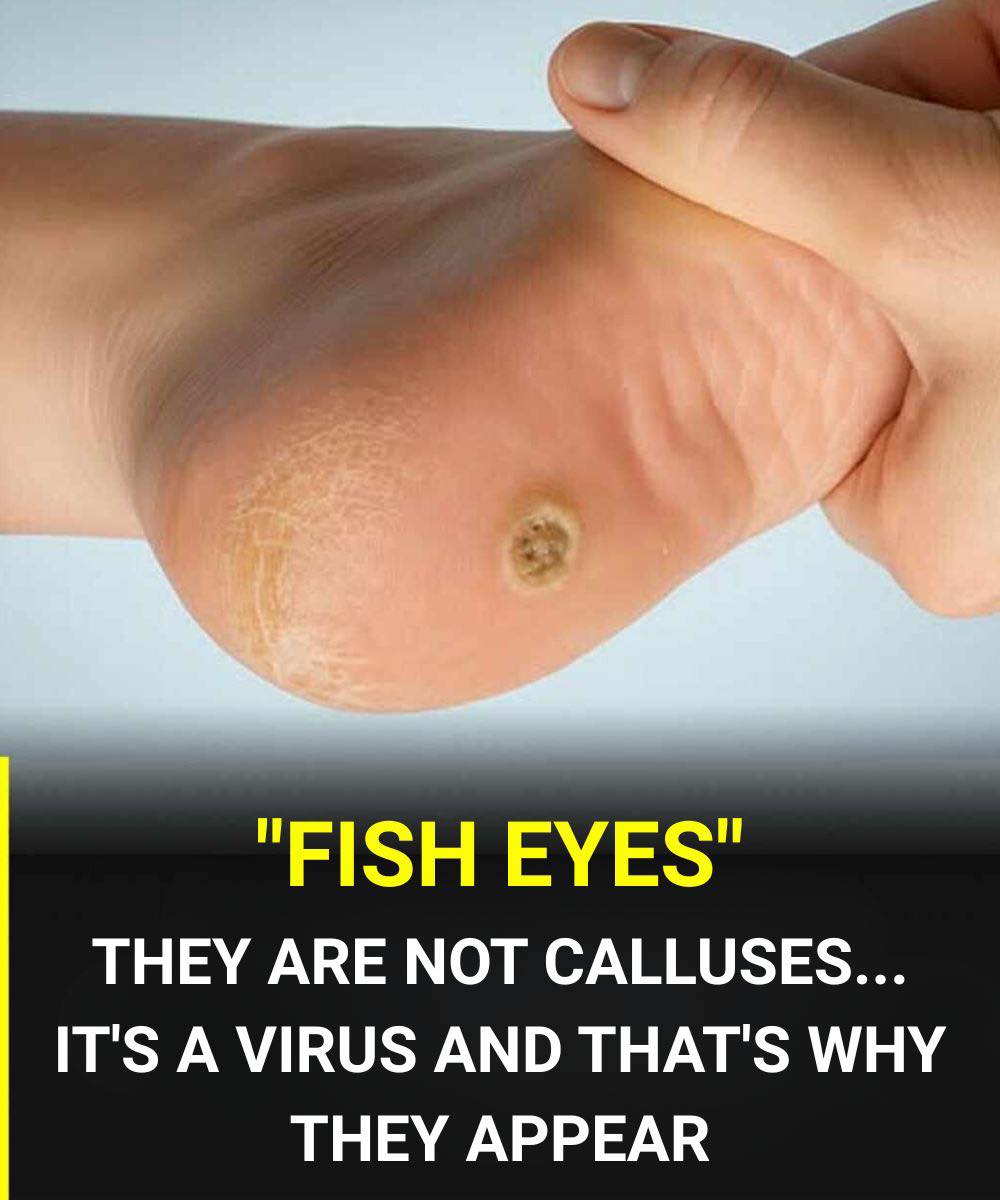
Calluses form naturally when the skin thickens in response to repeated friction or pressure, usually from tight shoes or constant rubbing. Plantar warts, however, are caused by the human papillomavirus (HPV). This virus can enter the body through small cuts, cracks, or weakened areas of skin. Once inside, it stimulates abnormal skin growth, producing the wart.
Because plantar warts are viral infections, they can spread to other parts of the foot or even to other people in certain conditions. Warm and damp environments such as swimming pools, locker rooms, gyms, and public showers increase the risk of infection, especially when walking barefoot.
In appearance, plantar warts usually show up as hardened, rounded, slightly raised areas on the skin. One common sign that helps distinguish them from calluses is the presence of tiny black dots inside the lesion, which are small blood vessels that have clotted.
The way pain is felt can also help tell the difference. Calluses typically hurt when direct pressure is applied from above, while plantar warts often hurt more when pressure is applied from the sides, creating a sensation that seems to come from deeper within the foot. Their location may also differ: calluses usually appear in high-friction areas like the heel or the edges of the toes, while plantar warts often appear on specific spots on the sole of the foot or between the toes.
3. Treatment, Prevention, and Why Proper Diagnosis Matters
One of the most common mistakes people make is trying to treat plantar warts as if they were calluses. Some individuals attempt to remove them using pumice stones, razors, or over-the-counter patches, believing the lesion is just hardened skin. However, these methods do not eliminate the virus and may actually irritate the area or make the condition worse.
