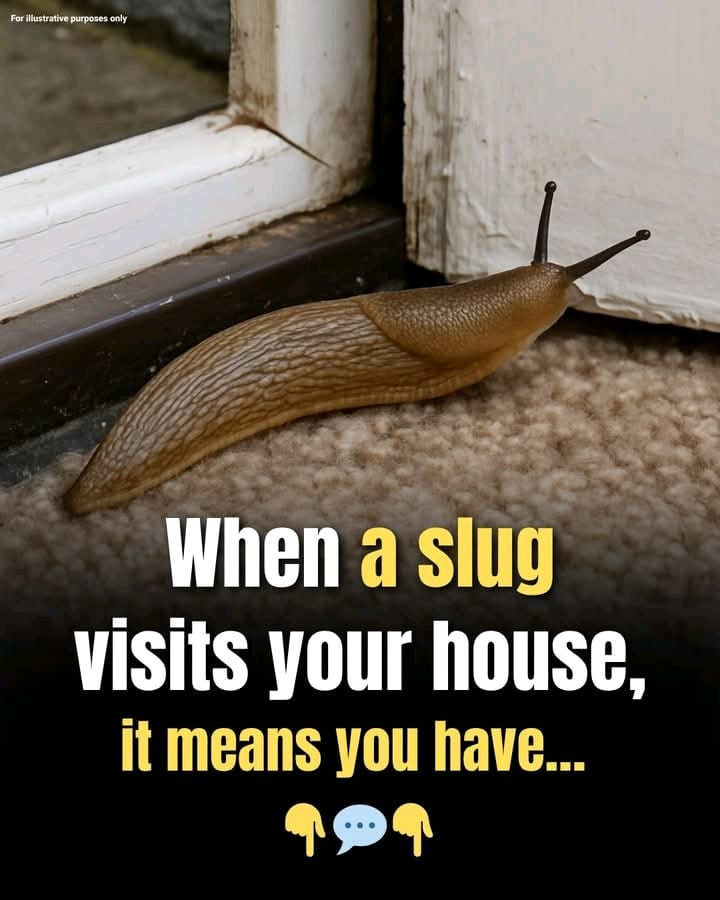
While slugs might not top anyone’s list of cute wildlife, they’re a crucial food source for a range of animals. Birds, toads, beetles, hedgehogs—you name it, they’re all part of a delicate food web that depends on slugs to survive.
So yes, your backyard slug might be lunch for someone else. It’s all part of the bigger picture.
Slug Slime: From Garden Pest to Skincare Hero?
Now here’s where things get really interesting.
That slimy trail slugs leave behind? It turns out it’s packed with useful compounds—some with antibacterial, regenerative, and anti-inflammatory properties. Scientists are currently exploring how slug mucus might help heal wounds or treat skin conditions.
Even in the beauty world, slug slime has sparked curiosity. Just like snail mucin (already popular in Korean skincare), slug slime contains hyaluronic acid and antioxidants, making it a promising natural ingredient for moisturizers and anti-aging products.
Yes, the same creature you’d once shoo off your patio might be helping someone glow up.
A Surprising Ally in Brain Research
Slugs also have a surprising role in science—particularly in neuroscience.
Their nervous systems are simple, which makes them ideal models for studying how learning and memory work. Researchers have used them to better understand the human brain, including how memories are stored and retrieved.
