That means prevention remains important at virtually every stage of adulthood.
What You Can Do for Your Arteries
Healthy habits can support cardiovascular health.
Don’t smoke.
Stay physically active according to your abilities and medical circumstances.
Eat a balanced diet emphasizing vegetables, fruits, whole grains, legumes, and other nutrient-rich foods.
Manage blood pressure and cholesterol.
Maintain a healthy weight when possible.
Control diabetes if you have it.
Get adequate sleep.
And attend regular medical checkups appropriate for your age and health history.
These steps don’t guarantee that cardiovascular disease will never occur, but they can reduce important risk factors.
Don’t Diagnose Yourself From a List
Internet symptom lists can be useful for raising awareness, but they cannot diagnose clogged arteries.
For example, fatigue may be caused by dozens of conditions.
Cold feet may have nothing to do with circulation.
Chest discomfort may be caused by something other than the heart.
Likewise, someone can have significant atherosclerosis without experiencing any of these symptoms.
The right response to a concerning pattern is professional evaluation—not self-diagnosis.
Final Thoughts
Clogged arteries can develop quietly, which is why cardiovascular health deserves attention even when someone feels well.
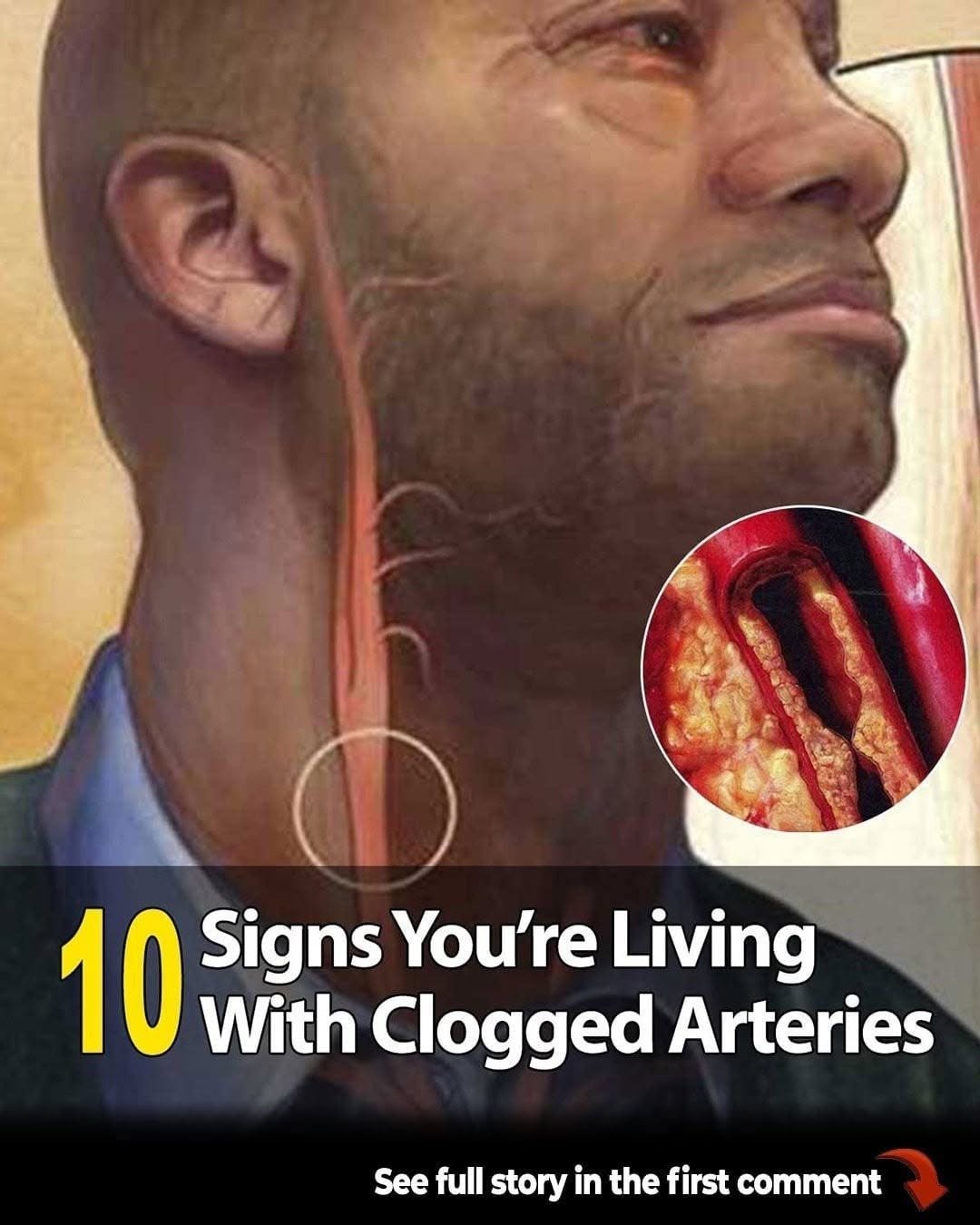
Chest pressure, unusual shortness of breath, unexplained fatigue, leg pain during walking, cold extremities, slow-healing wounds, sudden neurological symptoms, dizziness, erectile dysfunction, and declining exercise tolerance can sometimes be associated with circulation or cardiovascular problems.
But these symptoms have many possible causes.
The key is to notice new, persistent, worsening, or unusual changes and discuss them with a healthcare professional.
Most importantly, never ignore symptoms of a possible heart attack or stroke. Emergency symptoms require immediate medical attention.
Your body doesn’t always send dramatic warnings.
Sometimes the first sign is simply that something feels different from normal.
Paying attention to those changes—and getting appropriate medical advice—can be an important part of protecting your heart and blood vessels for years to come.
