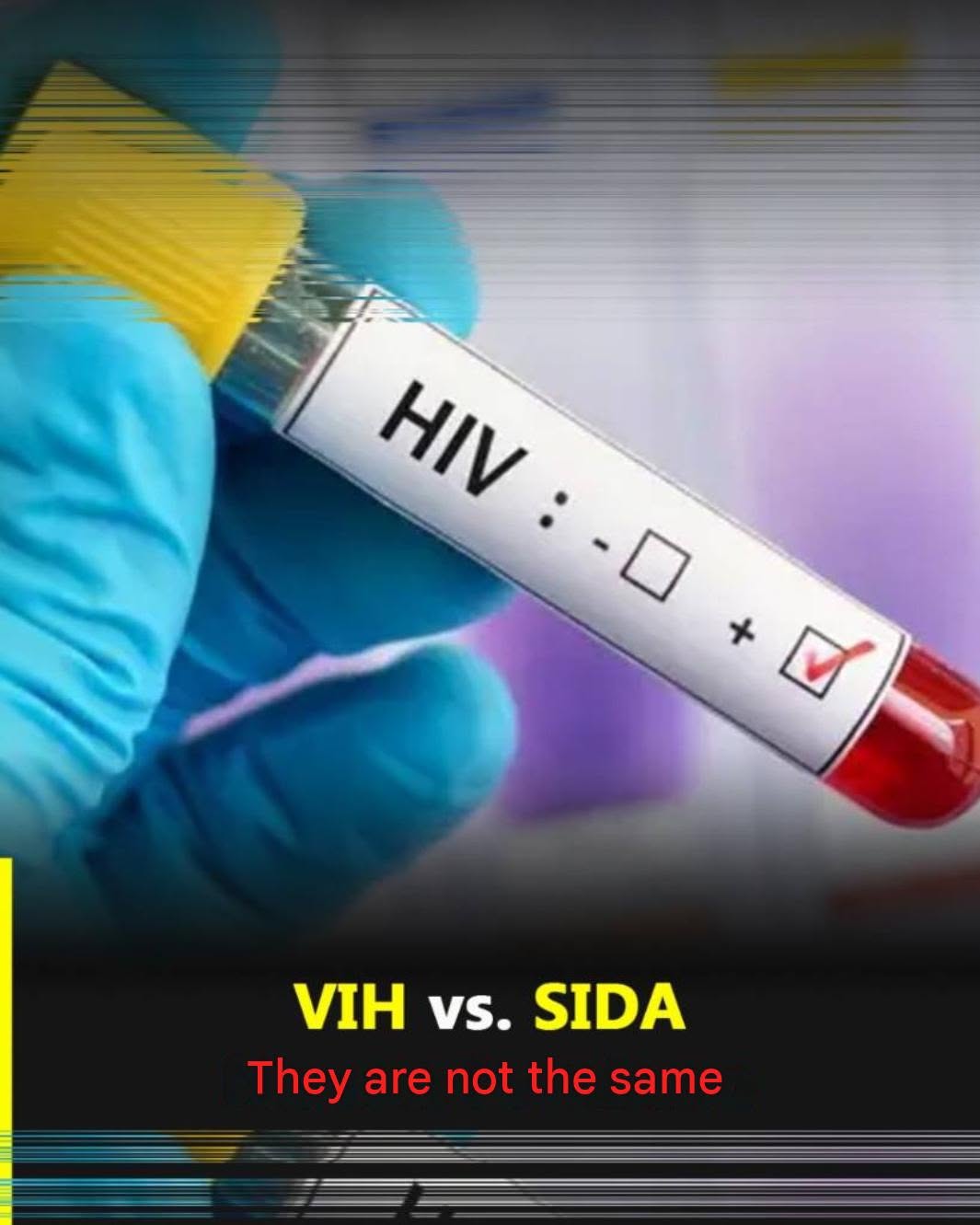
In public discourse, HIV and AIDS are often used interchangeably, but they actually describe entirely different conditions. This confusion has led to myths, unnecessary fears, and misinformation that hinders prevention and treatment. Understanding the difference between these two concepts is crucial to comprehending how the virus works, how it is managed, and why early diagnosis can make a significant difference in a person’s quality of life…@@@
HIV , short for Human Immunodeficiency Virus , is a virus that enters the body and directly affects the immune system , especially CD4 cells, which are essential for defending against infections. Having HIV means being infected with the virus, but it doesn’t necessarily mean being sick or experiencing symptoms. In fact, thanks to medical advances, many people living with HIV can maintain a completely normal life for decades without developing complications.
