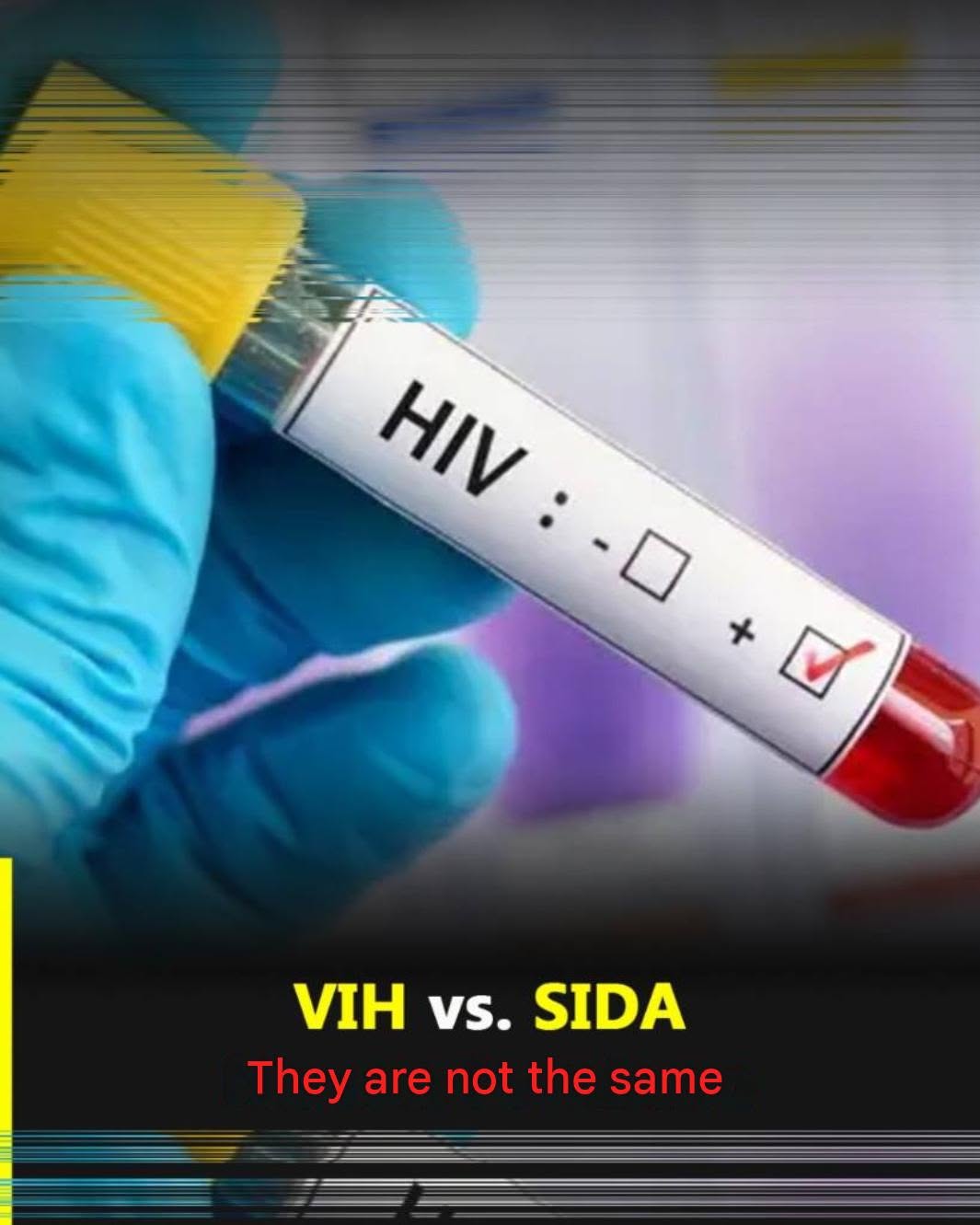
On the other hand, AIDS — Acquired Immune Deficiency Syndrome —is the most advanced and severe stage of HIV infection. AIDS is diagnosed when the immune system has deteriorated so profoundly that it can no longer respond adequately. This occurs when the CD4 cell count falls below a specific threshold or when the person begins to experience opportunistic infections or illnesses associated with a weakened immune system. In other words, a person can have HIV without having AIDS , but they cannot have AIDS without having previously acquired HIV.
The main difference between the two terms, then, is a matter of state and progress . While HIV is the virus that infects the body, AIDS is a clinical condition that develops when that infection has not been properly controlled. With current treatments, this progression can be completely prevented, making early diagnosis and adherence to medication key tools.
The most effective treatment available is antiretroviral therapy , known as ART, which consists of a combination of medications that prevent the virus from replicating. When a person adheres to this treatment consistently, the viral load can drop so low that it becomes undetectable . This concept is fundamental: a person with HIV who has an undetectable viral load not only maintains their health but also cannot transmit the virus during sexual intercourse. This advancement has transformed the way people live with HIV and has dispelled many misconceptions.
