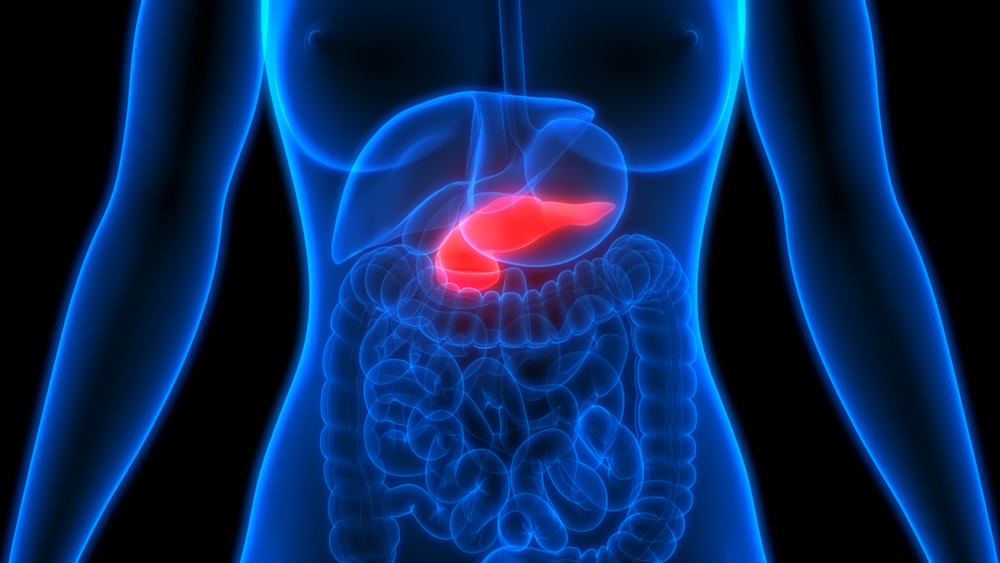
Of all the habits and conditions linked to pancreatic cancer, smoking carries the most consistent, well-established evidence. Smoking is one of the most important risk factors for the disease. The risk of getting pancreatic cancer is about twice as high among people who smoke compared to those who have never smoked. It may cause between 20 and 30% of all exocrine pancreatic cancer cases.
The risk does not apply only to cigarettes. Cigar smoking and the use of smokeless tobacco products also increase the risk. The good news: it’s never too late to stop smoking, since the risk of pancreatic cancer will drop once a person stops.
A 2025 global analysis based on GBD 2021 data reported that smoking’s contribution to pancreatic cancer deaths declined slightly between 2000 and 2021, from 16.45% to 13.84%, likely reflecting long-term decreases in smoking rates in high-income countries. But the absolute burden remains large. Smoking continues to be a potentially modifiable lifestyle risk factor with the strongest correlation with pancreatic cancer. For current smokers, quitting is the single highest-impact lifestyle change available.
Obesity, Excess Body Weight, and Abdominal Fat
Having excess body weight is a risk factor for pancreatic cancer. People with obesity, defined as a BMI of 30 or more, are about 20% more likely to develop the disease. Carrying extra weight around the waistline may be a risk factor even in people who do not have a lot of excess body weight overall.
The biological reasons are not mysterious. Obesity affects cancer risk in several ways: it can raise estrogen levels, which fuel certain hormone-related cancers; increase insulin and insulin-like growth factors that help tumors grow; and drive chronic inflammation that creates an environment where cancer is more likely to develop and spread.
The contribution of high BMI to all-age pancreatic cancer deaths increased from 3.19% in 2000 to 4.69% in 2021, according to a 2025 global analysis of GBD 2021 data. Meanwhile, the risk is even higher in people who are obese during early adulthood, and people with excessive abdominal fat may have an increased risk even if they are not classified as obese overall.
