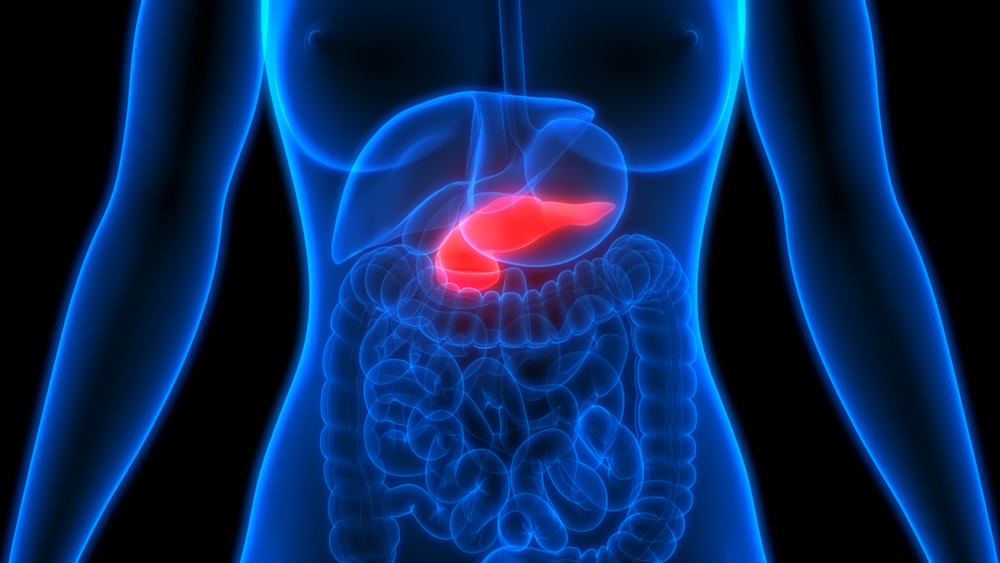
Some research suggests a link between heavy alcohol use and pancreatic cancer. The risk of developing the disease is higher in people who drink more than three alcoholic drinks daily. The mechanism is largely indirect: heavy alcohol consumption, especially hard liquor, is a risk factor, though the association is often influenced by smoking, since many people with heavy drinking habits also smoke.
The most compelling pathway is through pancreatitis. Chronic heavy drinking is one of the leading causes of chronic pancreatitis, which, as described above, substantially elevates cancer risk. Moderating alcohol intake to well below the threshold of heavy drinking is a practical step with multi-system health benefits.
Diet: Red Meat, Processed Meat, and the Saturated Fat Question
Dietary patterns have a less dramatic but still meaningful influence on pancreatic cancer risk. A diet high in red and processed meats is thought to increase the risk of getting pancreatic cancer. A diet high in fruits and vegetables may decrease the risk.
A 2025 dose-response meta-analysis by Ghosn, Moradi Baniasadi, Jalalzadeh, and Esmaillzadeh, published in a peer-reviewed nutrition journal, pooled data from 19 prospective cohort studies and found a positive relationship between the highest consumption of total red meat and pancreatic cancer risk, though when red and processed meat were analyzed separately, the associations were not statistically significant.
The WHO’s cancer research arm classifies processed meat as a Group 1 carcinogen, meaning there is sufficient human evidence of cancer risk, and red meat as a Group 2A carcinogen, meaning it is probably carcinogenic. The strongest evidence for red meat and cancer concerns colorectal cancer, but there is also evidence of links with pancreatic cancer and prostate cancer.
The science is still developing, and no single dietary factor has been proven as definitively causative in the way that smoking has. The practical advice from the evidence base: consumption of red and processed meat may elevate the risk of pancreatic cancer due to its high content of heterocyclic amines, polycyclic aromatic hydrocarbons, and N-nitroso compounds, chemicals formed during curing, smoking, and high-temperature cooking. Reducing or replacing processed meats like bacon, sausage, and cured ham is a sensible precaution.
