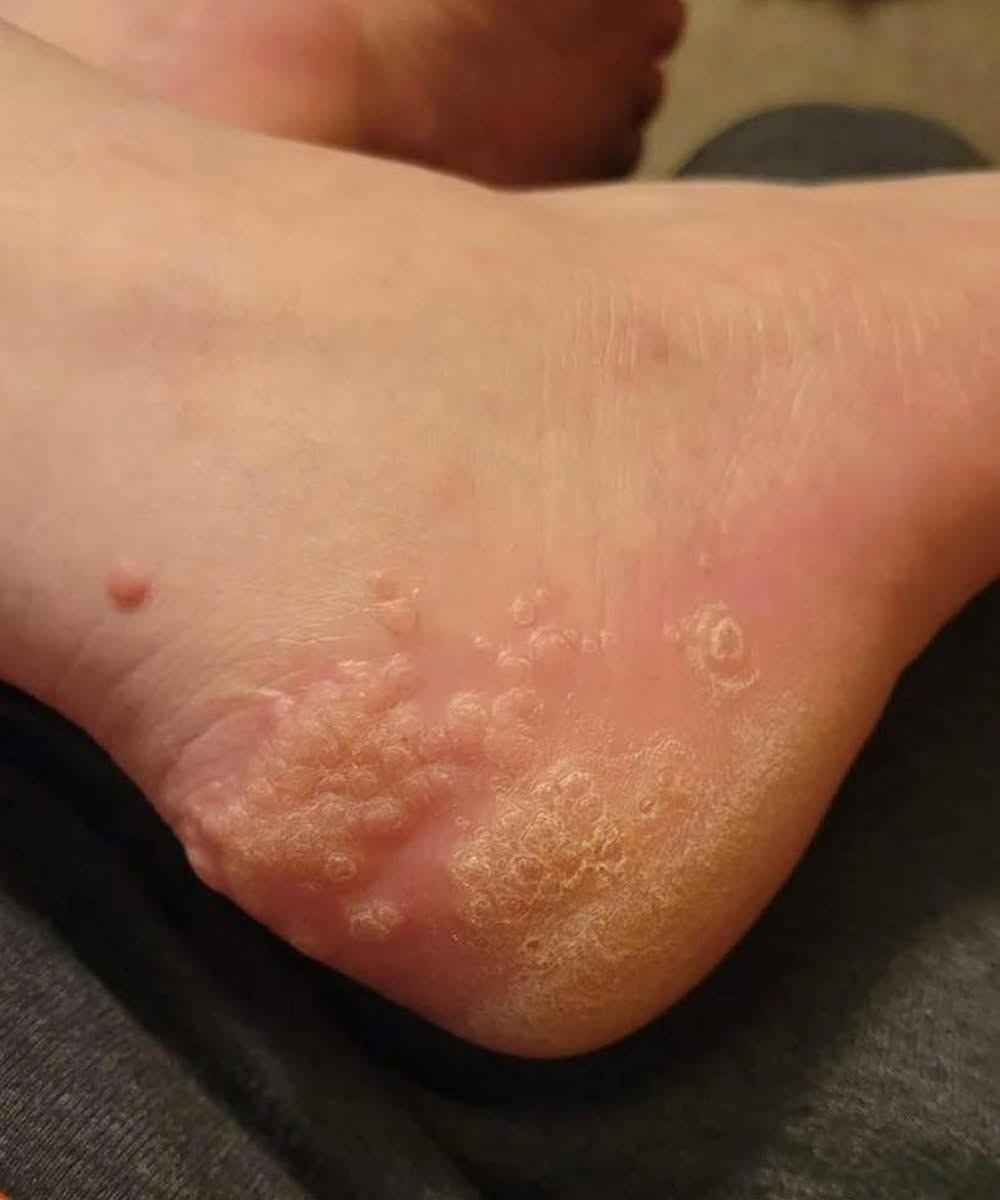
Buying or receiving secondhand clothing can be a great way to save money, reduce waste, and give perfectly good garments another life. Thrift stores, clothing swaps, vintage shops, hand-me-downs, and online resale platforms have all become increasingly popular.
But there is one question many people forget to ask:…@@@
What was living on those clothes before they reached you?
A dramatic headline such as “These are the consequences of wearing used clothes…” can make it sound as though secondhand clothing is inherently dangerous.
That isn’t true.
Used clothing is not automatically unsafe, and millions of people wear secondhand garments without experiencing any problems. However, clothing can sometimes carry microorganisms, allergens, body oils, cosmetic residue, or pests if it has not been properly cleaned or stored.
The good news is that most of these concerns can be managed with simple precautions.
What Can Actually Be on Used Clothing?
Clothing comes into prolonged contact with human skin.
Sweat, skin cells, oils, cosmetics, and other substances can accumulate in fabric.
If a garment is worn by someone else and hasn’t been adequately cleaned, it may contain bacteria or fungi.
