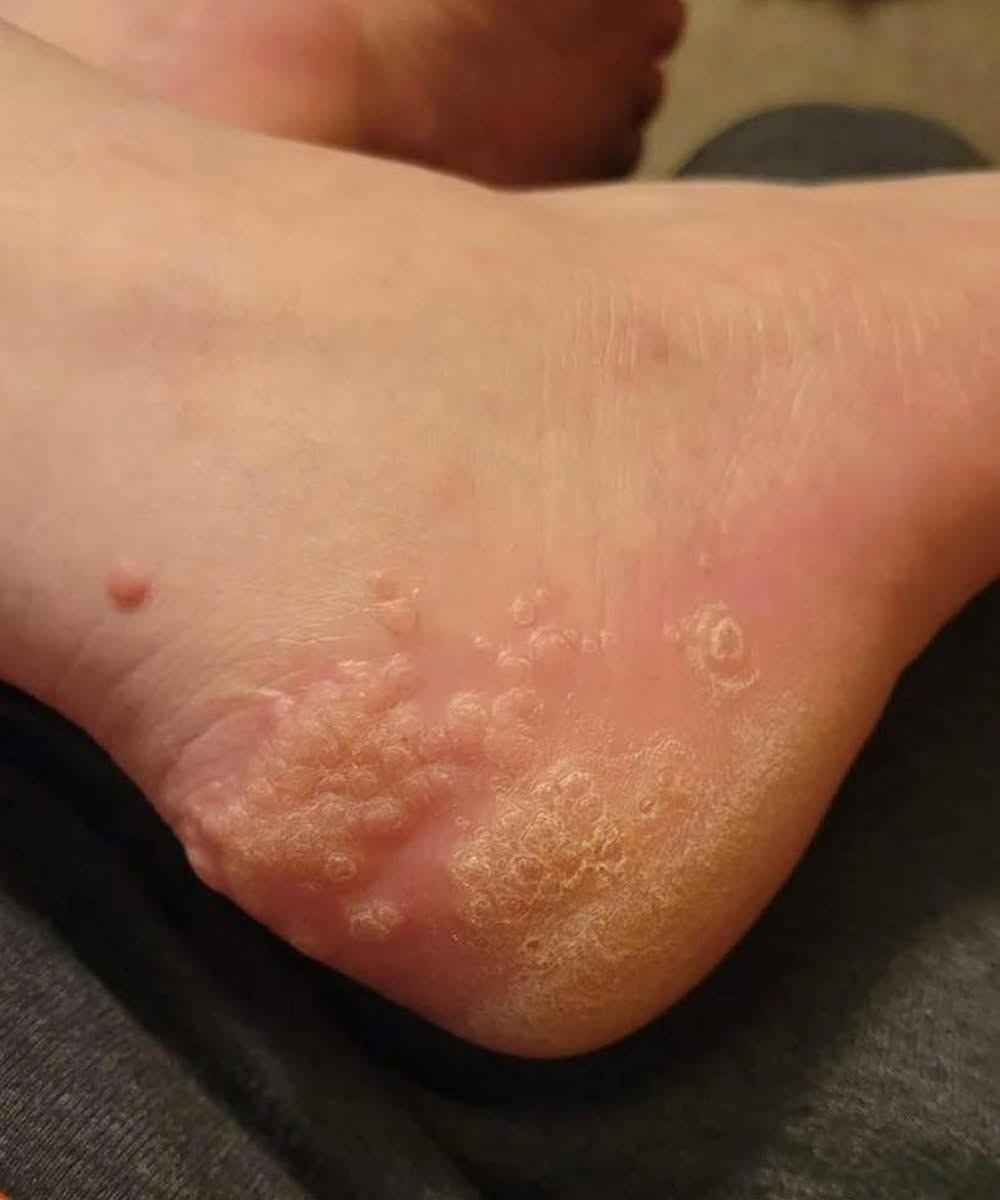
A Simple Secondhand Clothing Routine
A practical routine can make buying used clothing much easier.
1. Inspect it
Look for stains, insects, mold, unusual odors, and damaged seams.
2. Separate it
When you bring secondhand clothing home, consider keeping it separate from your clean wardrobe until it has been washed.
3. Read the care label
Determine whether it can be machine washed, hand washed, dried, or professionally cleaned.
4. Wash it
Use the recommended washing method and appropriate detergent.
5. Dry it thoroughly
Don’t leave freshly washed clothing damp for extended periods.
6. Inspect it again
After washing, check whether stains, odors, or signs of contamination remain.
7. Store it properly
Once clean and completely dry, place the garment with your other clothing.
When Should You Be More Careful?
Extra caution makes sense when purchasing:
- Used underwear
- Used socks
- Hats
- Shoes
- Baby clothing
Apparel
- Clothing with visible stains
- Items with a strong musty smell
- Garments showing signs of insects
- Clothing stored in damp conditions
This doesn’t mean these products are always unsafe.
It simply means they deserve more attention because of how they are used or how easily they can retain moisture and contamination.
Children and Secondhand Clothes
Secondhand children’s clothing is extremely common.
Hand-me-downs can save families considerable money.
For washable clothing, normal laundering is generally the practical approach.
Baby clothes should be washed before use, particularly because infants have sensitive skin and frequently put their hands or clothing near their mouths.
If an item has mold, pest contamination, or persistent chemical odors, choose another garment.
There is no reason to take unnecessary risks when inexpensive alternatives are available.
The Environmental Side of the Story
There is another side to this conversation.
The environmental benefits of reusing clothing shouldn’t be overlooked.
Every garment reused is potentially one garment that doesn’t need to be newly manufactured.
Secondhand shopping can also encourage people to think differently about consumption.
Instead of treating clothes as disposable products, we can view them as durable items that can circulate among multiple owners.
The key is responsible reuse.
Clean it.
Inspect it.
Repair it.
Then wear it confidently.
Final Thoughts
The phrase “These are the consequences of wearing used clothes” sounds frightening, but the reality is considerably more balanced.
Secondhand clothing is not automatically dangerous.
The potential concerns are generally related to ordinary hygiene: microorganisms, allergens, chemical residues, pests, moisture, and contamination.
Most of these concerns can be addressed with a simple habit:
Wash used clothes before wearing them.
Inspect them carefully, pay particular attention to items that touch sensitive areas, and avoid garments that show signs of mold, insects, or serious contamination.
