After an anxious two days in the hospital, Blechner headed home and weighed her options. There weren’t many. Pancreatic cancer is notoriously unforgiving: Just 1 in 4 patients lives a year after their diagnosis. Just 1 in 10 makes it two years.
Blechner felt the numbers in the pit of her stomach as she, her husband and their three adult sons made calls and pored over the internet, deciding her next move. They settled on a path that would land Blechner in a fast-moving and often misunderstood realm of cancer research.
Messenger RNA, or mRNA, is a single-stranded molecule that delivers genetic information from DNA to direct the formation of proteins. It’s known to most people from high school science classes or for its use in Covid vaccines. But long before anyone had heard of Covid, mRNA was generating intense excitement in the cancer research community. BioNTech, the German company that designed the Covid vaccine for Pfizer, adapted that vaccine from a platform it had been using to develop cancer treatments for nearly a decade.

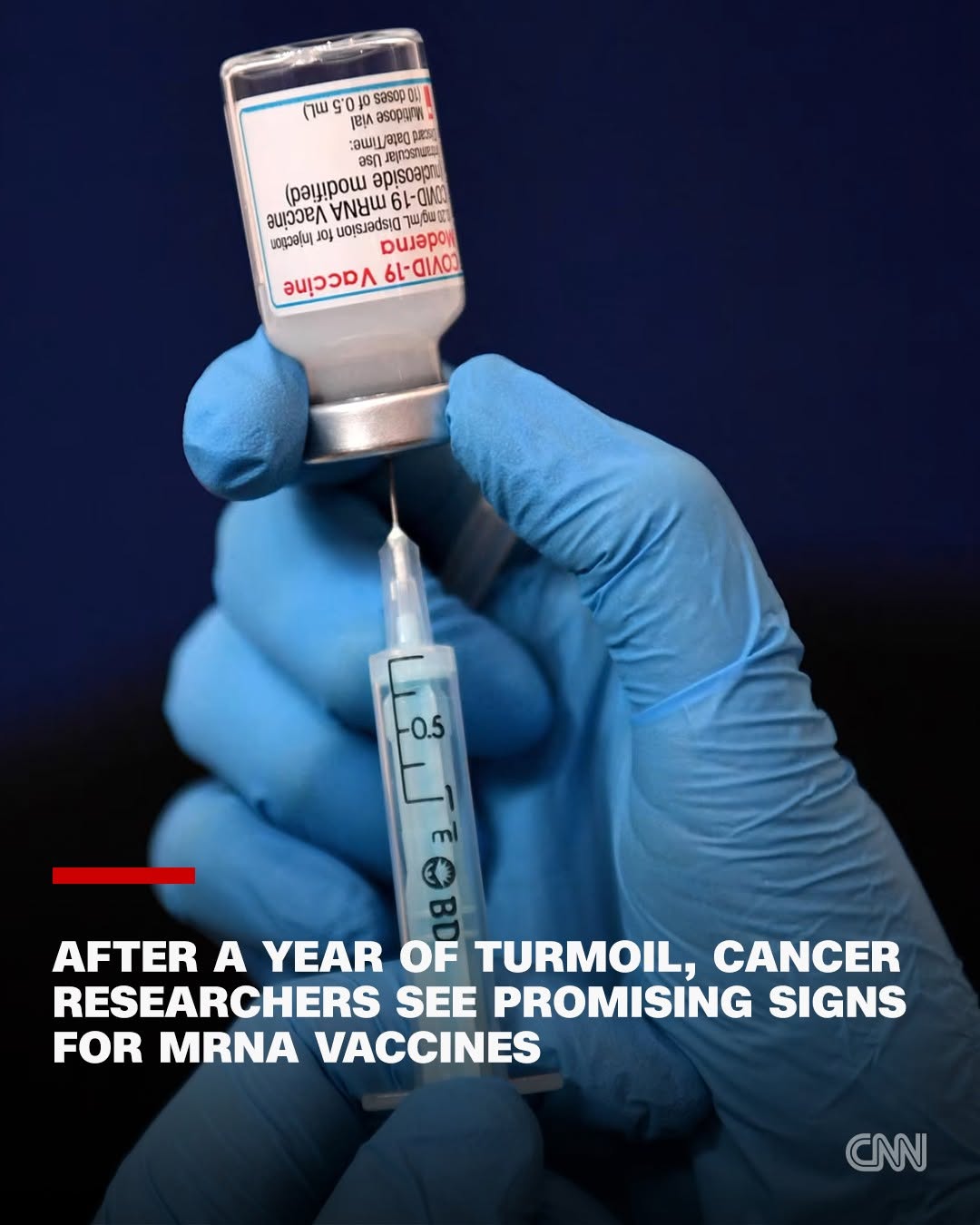
The mRNA-based Covid vaccines produced by Pfizer and Moderna helped blunt the impact of the pandemic but also sparked political backlash that, in the past year, has threatened to slow or derail dozens of potential cancer treatments. Now, after a tumultuous 12 months, there are signs that the mRNA train is still on track.
“It’s exciting,” said Elizabeth Jaffee, deputy director of the Sidney Kimmel Comprehensive Cancer Center at Johns Hopkins University. “There’s been a number of successes in early-stage, positive trials.”
Dr. Catherine Wu, a professor of medicine at Dana Farber Cancer Institute and Harvard Medical School, says the recent stretch of positive real-world results helped drive the recent announcement by the National Cancer Institute that it would help raise $200 million specifically for novel cancer vaccines.
“We’re getting a lot of support from NCI in terms of developing and promoting cancer vaccines, and mRNA vaccines are a major part of that portfolio,” she said.
