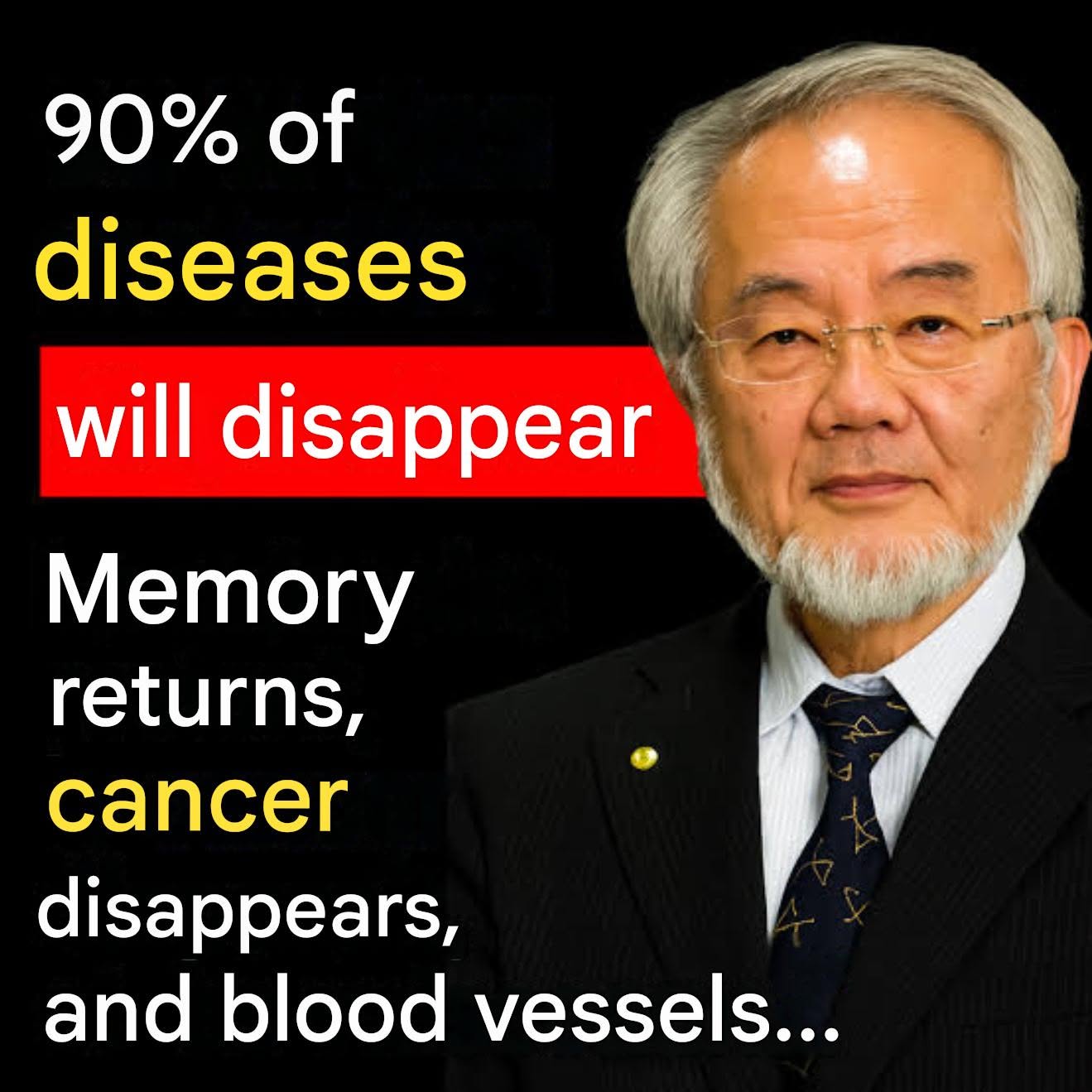
One of the most effective methods for triggering autophagy is intermittent fasting, a practice deeply rooted in traditional Japanese lifestyles for generations. It simply involves creating a daily window during which you don’t eat, allowing your body to switch from digestion to deep cellular repair.
Many Japanese researchers, inspired by Dr. Ohsumi’s work, advocate a natural fasting period of 12 to 16 hours, a rhythm that aligns with how older generations in Japan naturally eat. Many Japanese elders intuitively skip meals or maintain long intervals between dinner and breakfast, unconsciously supporting their bodies’ built-in cleansing and renewal processes.
Dr. Takayuki Teruya, a Japanese researcher specializing in the metabolic effects of fasting, has demonstrated that this practice is not limited to weight loss. His research reveals three major findings:
- Metabolic activation : Fasting stimulates various metabolic pathways, increasing the production of metabolites involved in energy production and antioxidant defense.
- Antioxidant generation : Fasting raises antioxidant levels, which help neutralize harmful free radicals in the body, boosting natural antioxidant capacity.
- Potential anti-aging effects : By activating specific metabolic reactions, fasting could play a role in mitigating some effects of aging and supporting cellular repair mechanisms
Second tip: practice Hara Hachi Bu
Hara Hachi Bu is a traditional Japanese practice that means “stop eating when you are 80% full.” Rooted in Okinawan culture and supported by longevity studies, this principle encourages mindful eating and calorie restriction without malnutrition, allowing the body to enter a cellular cleansing mode.
This gentle calorie restriction, combined with long nighttime fasts, reduces metabolic stress and gives your body more time for self-repair. In Okinawa, a region renowned for its high number of centenarians and known as a Blue Zone, locals have naturally practiced this approach. Their tradition of light early dinners and long periods without late-night snacking essentially creates a nighttime fasting window that naturally supports autophagy.
Dr. Shigeaki Hinohara, one of Japan’s most respected physicians and longevity experts, lived by this philosophy until the age of 105. He worked his entire life, believing that staying engaged and never fully retiring keeps the mind and body young. His approach to diet was simple: eat light, avoid excess sugar and processed foods, and follow the Hara Hachi Bu (lifestyle of self-discipline).
The rest is on the next page
