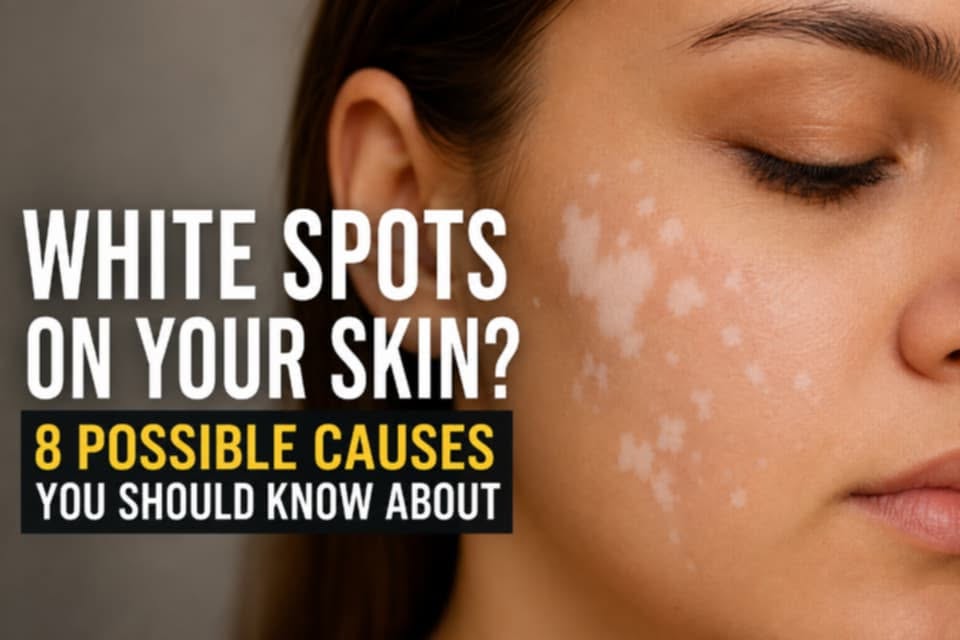
forms of pigmentation loss. 4. Skin Changes After a Rash or Injury Sometimes a light spot appears after the skin has healed from another problem. For example, a lighter area may remain after: – Eczema – A rash – An insect bite – A minor injury – Inflammation – A skin infection Dermatologists refer to this type of color change as post-inflammatory hypopigmentation. The skin may gradually regain its normal color as it continues to recover. However, the time required can vary depending on the original condition and the depth of the inflammation or injury. If the patch continues to grow, new patches appear, or there is no improvement over time, getting it checked is a good idea. 5. Eczema and Other Skin Conditions Certain inflammatory skin conditions can leave lighter areas behind. Eczema, psoriasis, seborrheic dermatitis, and other conditions may sometimes be associated with lighter or unevenly pigmented skin. The appearance can vary depending on the person’s skin tone and the condition involved. This is one reason why trying to diagnose a white patch based only on a photograph can be difficult. A dermatologist may look at the texture, shape, borders, location, and other features of the affected area before determining the likely cause. 6. Sun Exposure Can Make Light Spots More Noticeable Sun exposure does not necessarily cause every white spot, but it can make existing differences in pigmentation much easier to see. When surrounding skin becomes darker after tanning, areas with reduced pigment may stand out more clearly. This is particularly noticeable with conditions such as tinea versicolor and vitiligo. In vitiligo, areas that have lost pigment are also more vulnerable to sunburn because melanin helps protect skin from ultraviolet radiation. For that reason, protecting lighter areas from excessive sun exposure is important. When outdoors, consider: – Wearing protective clothing – Staying in the shade when possible – Using broad-spectrum sunscreen – Avoiding intentional tanning and tanning beds 7. Nutritional Problems May Affect Skin Health People often search for white spots on the skin because they are concerned about vitamin or mineral deficiencies. Nutrition is certainly important for healthy skin, but a white patch should not automatically be blamed on a vitamin deficiency. Skin pigmentation changes have many possible causes, and conditions such as vitiligo, tinea versicolor, eczema, and post-inflammatory changes may require completely different approaches. If you have other symptoms such as persistent fatigue, weakness, changes in appetite, unexplained weight changes, hair changes, or other health concerns, talk with a healthcare professional rather than taking large doses of supplements on your own. A clinician can decide whether blood tests or nutritional evaluation are appropriate. 8. A