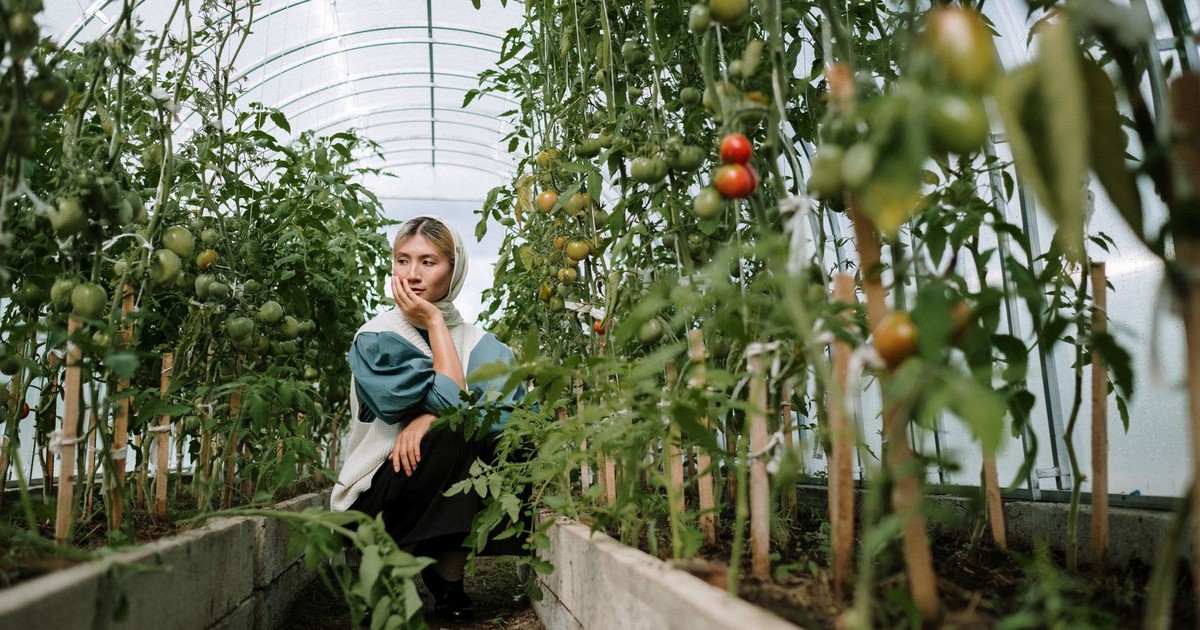
People with a substantial garden within their residential area had a 6.8% lower risk of developing type 2 diabetes compared to those in the lowest quartile of garden access. People living near multiple parks were 5.7% less likely to develop the condition, according to the study published in BMC Public Health. Whether a park was within walking distance – measured either by nearest distance or straight-line distance – was not associated with reduced diabetes risk. The number of parks nearby mattered more than proximity to the nearest one.
The researchers adjusted for potential confounders including smoking status, alcohol intake, and family history of diabetes. As an observational study, the data can identify associations between green space and diabetes risk but cannot establish that gardens directly cause the reduction. Real-world cohort studies of this kind capture the complexity of how people actually live, which is both a strength and a methodological constraint.
The Global Diabetes Context
A 2023 systematic analysis published in The Lancet projected type 2 diabetes will rise from 529 million cases in 2021 to at least 1.3 billion by 2050, driven primarily by rising obesity rates. Against that trajectory, any modifiable environmental factor associated with reduced population-level risk becomes relevant to public health planning, even where effect sizes appear modest.
Genetic factors account for approximately 69% of type 2 diabetes risk among individuals aged 35 to 60, establishing genetics as the dominant driver while leaving the rest of risk mostly attributable to non-genetic factors. The environment a person inhabits sits within that modifiable portion, and the University of Queensland study adds a less-discussed dimension to that picture: the built environment outside a person’s home may be an independent variable in metabolic health.
