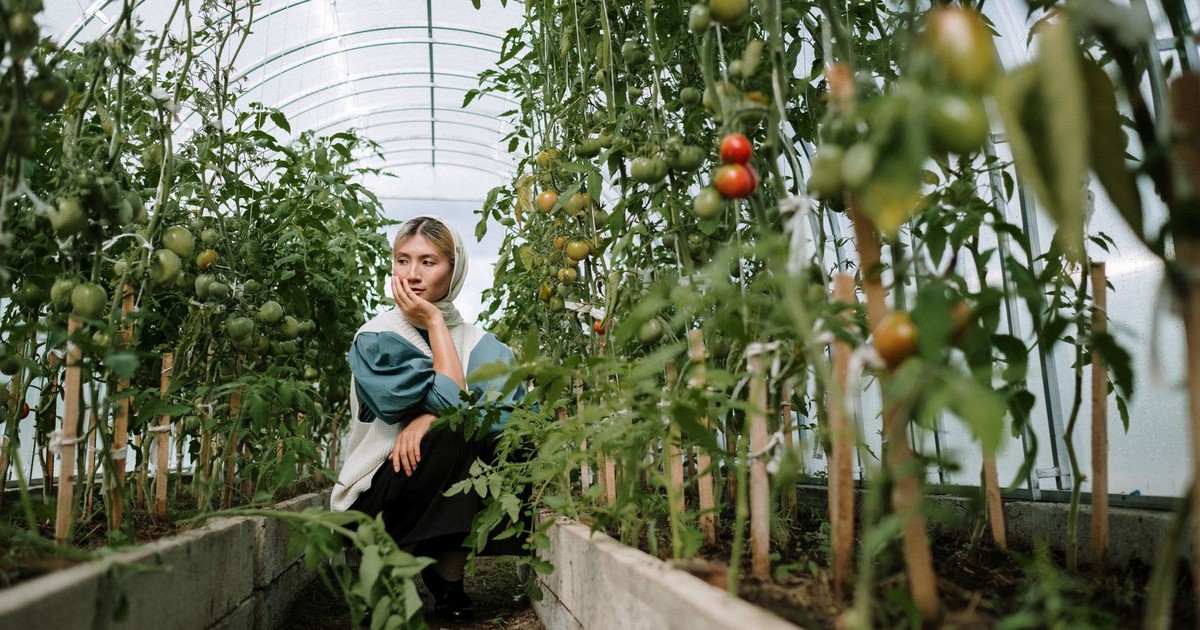
The UQ study’s authors were direct about the policy implication. “Current housing challenges mean there are more high-density residential dwellings under development, and this research shows public health considerations need to be prioritized when planning green spaces,” said Dr. Odebeatu. As cities densify to address housing shortages, the gardens that once came with single-family homes are being replaced by apartments and townhouses where outdoor space is shared, minimal, or absent.
Dr. Odebeatu noted that having several parks closer to home was associated with meaningful reductions in type 2 diabetes risk, highlighting the importance of public green spaces such as community gardens and parks. Public parks can serve as a partial substitute for private gardens in high-density environments – but only if they are genuinely accessible, safe, and diverse enough to support multiple types of use.
Read More: 10+ Foods to Help Lower Your Blood Sugar
What Urban Planners and Policymakers Should Take From This
The study called for green spaces to become a key consideration in urban planning, given the potential impact of city design decisions on the health of future generations. A prospective cohort study found that neighborhood greenspace was associated with a 21% lower risk of developing diabetes after adjustment for socioeconomic status, individual characteristics, and other neighborhood-level factors – suggesting the green space effect is not simply a proxy for wealth.
The University of Queensland research adds specificity that earlier literature lacked: not all green space is equivalent. The proximity of parks matters less than having multiple parks nearby. Private gardens generate a different protective association than public ones. Mown grass fields and ornamental lawns likely contribute far less than gardens with varied vegetation that invite sustained human engagement. These distinctions should inform how planners prioritize green infrastructure in new developments.
