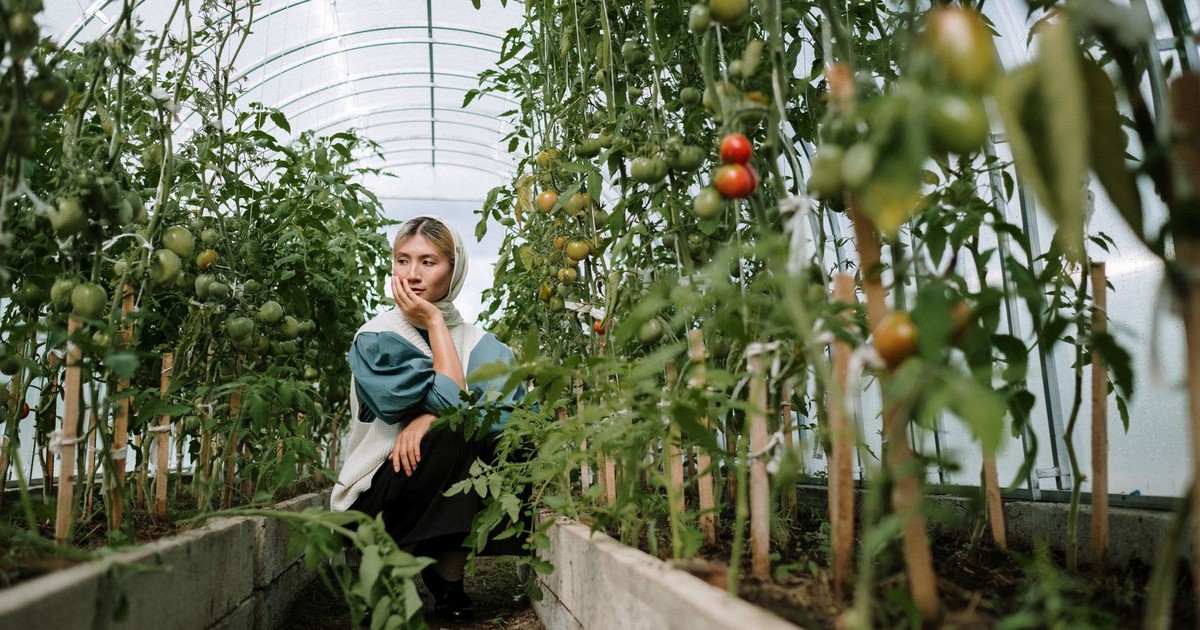
For individuals, the most practical implication is to treat outdoor green space as a health asset. Time spent in a garden – weeding, planting, or simply being present in the space – generates physical activity, sunlight exposure, and microbial contact simultaneously, without requiring a dedicated exercise routine. For those without private gardens, proximity to multiple parks appears to offer a meaningful, if somewhat smaller, protective association. Community garden programs, particularly in urban areas, offer one route to the kind of sustained, hands-on green space that private gardens provide.
For clinicians, the study adds environmental context to diabetes risk assessment. A patient’s residential setting – specifically whether they have meaningful access to outdoor green space – is a modifiable factor that can be addressed through community referrals and behavioral counseling alongside standard lifestyle advice. For policymakers and urban planners, the finding provides a quantifiable argument for embedding green space requirements into residential development standards. As density increases and private gardens disappear from urban housing stock, the public health cost shows up in hospital records as new cases of type 2 diabetes.
