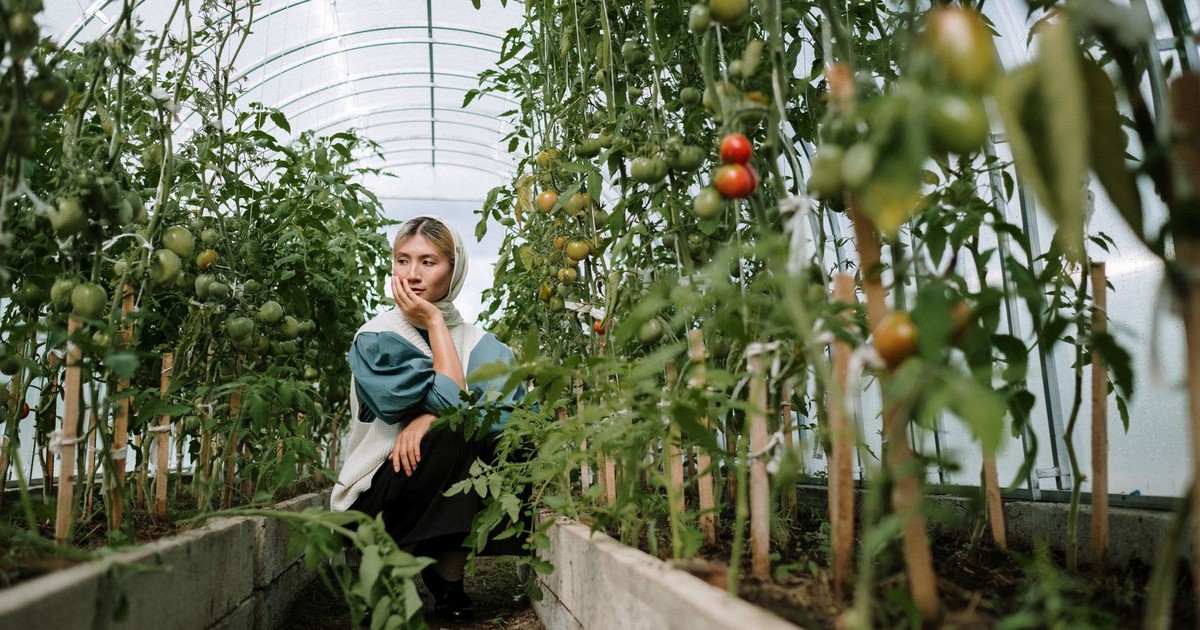
Gut microbiota composition is linked to type 2 diabetes risk and can be influenced through lifestyle factors including diet and physical activity. Spending time in a garden introduces the body to a wider diversity of environmental microbes than indoor or urban environments typically provide. Soil contact, plant matter, and outdoor air all carry microbial communities that may positively influence gut composition.
This pathway is less established than the physical activity or vitamin D mechanisms, but it is increasingly recognized in environmental health research as a plausible contributor to the health benefits of green space – particularly private gardens, where contact with soil is more direct and sustained than in a manicured public park.
You can read more about how blood sugar-regulating foods fit alongside environmental interventions in foods that help could help with diabetes management.
Stress, Mental Health, and Downstream Metabolic Effects
A study published in International Journal of Environmental Research and Public Health found that higher levels of green space are associated with reduced symptoms of depression, anxiety, and stress, and that people residing near green spaces are more likely to achieve recommended levels of physical activity. Chronic psychological stress drives cortisol elevation, which impairs insulin sensitivity and promotes visceral fat accumulation – both direct contributors to type 2 diabetes risk.
Associate Professor Nicholas Osborne, an epidemiologist at the University of Queensland and a co-author on the study, addressed this point directly. “Along with physical activity, being outside in a garden also helps with vitamin D levels and the restorative aspects of being outside, which can greatly benefit mental health,” Osborne noted, adding that outdoor microbial exposure may also improve gut health and immune function.
The Equity Problem: Who Actually Has a Garden?
People from lower socioeconomic positions are disproportionately less likely to have access to green spaces – a disparity that translates directly into unequal diabetes risk. The same populations most likely to develop type 2 diabetes are the least likely to live in homes with private gardens, and the least likely to live near well-maintained public parks.
Up to 3.4 billion people globally lack access to secure, safe, and adequate housing, according to the UN-Habitat World Cities Report 2026. In that context, a private garden – with established soil, privacy, and dedicated outdoor space – is an asset concentrated among households that can afford lower-density housing.
